Surfing
Surfing in Guatemala: spots, seasons and lesson prices
· 6 min read
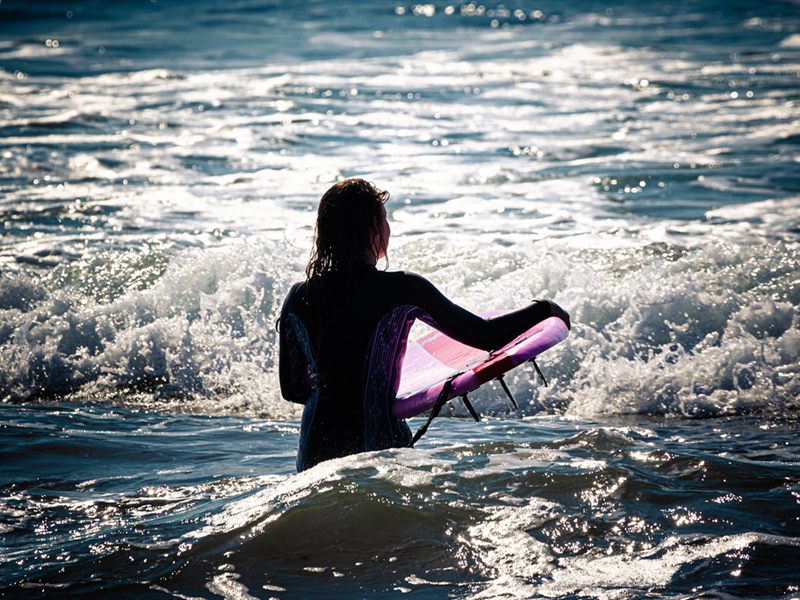
Guatemala’s surf is on the Pacific coast, and El Paredón is its centre: a black-sand beach break about two hours from Antigua, with schools, rentals and warm water all year. Sipacate next door is quieter, Iztapa and Champerico suit surfers with some experience, and the biggest swells arrive from about April to October.
Where are the waves in Guatemala?
All of Guatemala’s surf is on the Pacific. The short Caribbean coast sits deep inside the Gulf of Honduras and is not a surf destination. The Pacific side is a long, straight run of black volcanic sand facing south-west, open to swells generated far away in the South Pacific. Most of what breaks there is beach break, shifting with the sandbanks, plus a few waves shaped by river mouths and harbour jetties.
Forecast sites list more than a dozen breaks along the coast, from the river mouths of Tilapa and Ocós near the Mexican border to the beaches of Santa Rosa towards El Salvador. In practice, travelling surfers spend their time at a handful of them.
| Spot | Wave | Level | Worth knowing |
|---|---|---|---|
| El Paredón | Beach break, lefts and rights | Beginners on small days, up to advanced when big | Schools, rentals and most of the accommodation |
| Sipacate | Beach break | All levels on small days | Fewer people, next door to El Paredón |
| Iztapa | Right-hander beside the jetties at the river mouth | Intermediate | Constant rips; water can be polluted after rain |
| Champerico | Left off the jetty | Confident intermediates | Inconsistent; rips by the pier |
| Monterrico | Steep shore break | Bodyboarders, experienced surfers | Better known for turtles than waves |
El Paredón: where most surfers base themselves
El Paredón has what the other spots lack: surf schools, board rentals, surf hostels and a lineup that welcomes beginners on small days. The wave is a beach break on black sand that breaks left and right and works on anything from knee-high to double overhead, depending on the swell. Offshore wind blows from the north, so the cleanest conditions usually come in the morning, before the afternoon breeze. Our El Paredón surf guide goes into the wave in more detail, and where to stay in El Paredón helps you choose a base close to the water.
The other spots: Sipacate, Iztapa and Champerico
Sipacate is the easy side trip: the same black sand and the same kind of beach break, just before El Paredón on the coast road, with fewer people in the water. It is the obvious move when the peaks in El Paredón feel crowded on a high-season weekend. Iztapa, east of Puerto San José, is a different animal: a right-hander beside the jetties of a fishing port, at its best on a solid south-west swell and a rising mid to high tide. Rips there are a given, and river runoff can make the water dirty after heavy rain. Champerico, far to the west in Retalhuleu, is a left that peels off the jetty, mostly long walls with the odd barrel on good days, and it is fickle. Neither has much surf infrastructure, so go with someone who knows the spot.
When is the surf season in Guatemala?
There are waves all year, but the coast has two clear seasons and a window that experienced surfers watch closely.
- November to April, the dry season: chest to head-high on good days, cleaner and more manageable, with the most visitors from December to April. The best time to learn.
- May to October, the rainy season: bigger, more consistent swells from the south and south-west, head-high and above, with afternoon storms, fewer people and lower prices. Better for experienced surfers.
- March to June: many experienced surfers rate this window highly, as the first southern swells arrive before the heaviest rain.
The water stays warm through it all: around 27 to 29°C in January and up to 30 or 31°C around May, according to surf forecasters. Boardshorts and a rash vest are enough all year round.
How much does surfing in Guatemala cost?
| Item | Typical price (2026) |
|---|---|
| One-hour private lesson, board included | Around Q200 (about $26) |
| Board rental for a day | Around Q150 (about $20) |
| Board rental for a week | From around Q750 (about $98) at some schools |
| Shared shuttle Antigua → El Paredón | $25 one way, $45 round trip |
| Dorm bed in a surf hostel | Roughly $10 to $30 a night |
Lesson and rental prices are from schools that publish their rates; cheaper offers exist on the beach, with less certainty about the instructor and the kit. In high season, book lessons a day ahead, and expect the time to follow the tide and the swell rather than the clock.
A first week of surfing in El Paredón
- Days 1 and 2: a lesson each morning on the inside, with the instructor picking the time around the tide.
- Day 3: rent a soft-top and practise alone on the same small peaks, close to the school.
- Days 4 and 5: a second lesson to fix your pop-up and start reading the sets, then early sessions on your own before the wind.
- Every day: rest at midday. The heat and the sun take more out of you than the paddling.
What are the risks?
Rip currents are the main one. On a beach break like El Paredón’s they form in the channels between sandbanks and get stronger as the swell builds, and there are no lifeguards to count on. The shore break can be powerful too, especially at Monterrico. Take your first sessions with an instructor, surf where others are surfing, and if a current pulls you out, paddle parallel to the beach until you are free of it. Add the sun, fierce from 11:00 to 15:00, and black sand hot enough at midday to burn bare feet, and you have the full list. Our practical guide to El Paredón covers the rest of the safety basics.
Getting your board to the coast
Most visitors rent in El Paredón and leave their own board at home. If you bring one, our shuttle from Antigua can usually take it, but space is limited: say so in the message box when you book and we confirm with the van before departure. The shuttle leaves Antigua at 09:00 and 14:00 every day and takes about two hours, so the morning departure has you in the water after lunch. Book your seat.
Frequently asked questions
- Is Guatemala good for beginner surfers?
- Yes, on small days and with an instructor. El Paredón and Sipacate are beach breaks with sandy bottoms, and the dry season, November to April, brings smaller, cleaner waves that suit learners.
- When is the best time to surf in Guatemala?
- For bigger, more consistent swell, May to October, with March to June popular among experienced surfers. For learning, November to April, when the waves are smaller and cleaner.
- Do I need a wetsuit to surf in Guatemala?
- No. The water is around 27 to 31°C depending on the month, so boardshorts or a swimsuit and a rash vest for the sun are enough all year.
- How much is a surf lesson in El Paredón?
- In 2026, schools that publish their prices charge around Q200, about $26, for a one-hour private lesson with the board and rash vest included. Board rental is around Q150 a day.
- Is there surf on Guatemala’s Caribbean coast?
- Not really. The Caribbean coast is short and sheltered inside the Gulf of Honduras. Guatemala’s surf spots are all on the Pacific.