Things to do
Best beaches in Guatemala: Pacific and Caribbean compared
· 6 min read
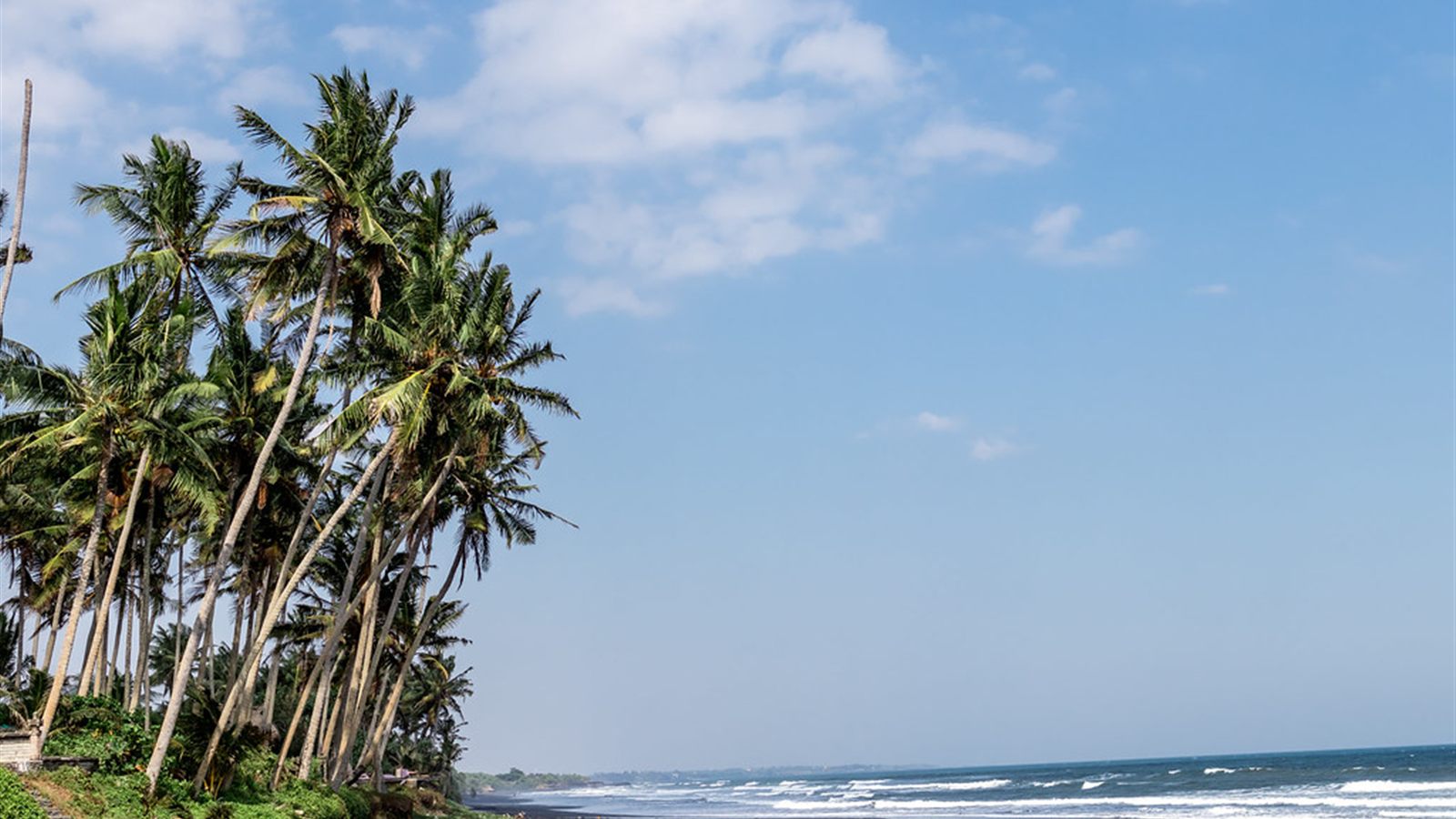
Guatemala’s best beaches are on two very different coasts. The Pacific has long black-sand beaches and real surf: El Paredón for surfing, Monterrico for turtles, the Puerto San José area for the shortest drive from the capital. The Caribbean has calmer water and palms, and Playa Blanca, reached by boat from Livingston, is the classic.
Pacific or Caribbean: which coast should you choose?
Most travellers end up on the Pacific for a simple reason: it is close. The coast lies a couple of hours south of Antigua and Guatemala City, the sand is black and volcanic, the ocean is warm and powerful, and the beaches run straight for kilometres. It is surf country, hot all year, with the sun setting over the water.
The Caribbean coast is short and far away, in the department of Izabal around Puerto Barrios and Livingston. Livingston has no road connection at all: you arrive by boat, from Puerto Barrios or down the Río Dulce. The reward is a different Guatemala, with Garífuna culture, calmer water and beach days that start on a boat.
| Beach | Coast | Getting there | Best for |
|---|---|---|---|
| El Paredón | Pacific | About 2 h from Antigua by direct shuttle | Surfing, sunsets, meeting travellers |
| Sipacate | Pacific | Same road, just before El Paredón | Quieter waves, a working town |
| Monterrico | Pacific | 2.5 to 3 h from Antigua by shared shuttle | Turtles, mangroves, Guatemalan weekends |
| Hawaii | Pacific | Next to Monterrico | Turtle conservation, fewer people |
| Puerto San José, Chulamar, Iztapa | Pacific | About 80 km from Antigua; 1.5 to 2 h from Guatemala City | Short trips from the capital |
| Livingston and Playa Blanca | Caribbean | A long day by road, then a boat | Garífuna culture, calm water |
| Punta de Manabique | Caribbean | Boat trip from Puerto Barrios or Livingston | Day trips, snorkelling on the calm side |
El Paredón: best for surfing and slow days
El Paredón is the beach most foreign visitors mean when they talk about the Guatemalan coast. A fishing village that became a surf village, it has one main sandy street, a long beach break, surf schools, hostels and small hotels, and the mangroves of the Sipacate-Naranjo National Park behind. Days follow the ocean: surf early, hide from the midday heat, come back out for the sunset. It is also the easiest beach to reach from Antigua: our shuttle leaves at 09:00 and 14:00 every day and takes about two hours. Book a seat, or read how El Paredón compares with Monterrico.
Sipacate: the quieter neighbour
Sipacate is the town you drive through just before El Paredón, and since 2015 the municipality El Paredón belongs to. It has the same black sand and a beach break of its own with fewer tourists, so the waves can be less crowded, and it gives its name to the national park that protects the mangroves along this stretch. El Paredón has more places to stay, so many surfers sleep there and head over to Sipacate when the lineup at home feels busy.
Monterrico and Hawaii: best for turtles
Monterrico sits inside the Biotopo Monterrico-Hawaii, a reserve that protects about 20 km of beach and the mangroves behind it. It is Guatemala’s best-known turtle beach: olive ridley and green turtles nest roughly from July to December, leatherbacks from mid-October, and the CECON hatchery releases hatchlings at dusk, mostly between September and November. Hawaii, next door, has a smaller hatchery run by the conservation group ARCAS, and fewer visitors. The surf breaks hard on the sand, so this is a coast for wildlife, boat trips through the canals and long lunches rather than for learning to surf. At weekends Monterrico fills with families from the capital; midweek it is calm.
Puerto San José, Chulamar and Iztapa: closest to the capital
If the question is simply which beach is closest, the answer is the stretch around Puerto San José, about 110 km from Guatemala City (90 minutes to two hours by road) and around 80 km from Antigua. It is a working port, and the town beach is not the reason to go. Chulamar, a few kilometres west, is the better beach, and east of Iztapa a bridge crosses the canal to the long black sand of Pueblo Viejo. Iztapa also has a right-hand wave by the jetties of its river mouth, for surfers with some experience. These beaches are made for day trips and weekends from the capital, and that is exactly how they feel on a Sunday.
The Caribbean: Livingston, Playa Blanca and Punta de Manabique
Livingston is a Garífuna town at the mouth of the Río Dulce, with no road in or out. Boats run from Puerto Barrios (30 minutes to an hour and a half, depending on the boat) and from the town of Río Dulce (one to two and a half hours, depending on how many stops the boat makes along the river). The town beach is small, and most people use Livingston as a base for boat trips.
Playa Blanca, the classic, is a private beach with an entry fee, 30 minutes to an hour by boat from Livingston; the water is calm on good days but turns murky after heavy rain, so check that a tour includes the entrance. Punta de Manabique, a peninsula where the Bay of Amatique meets the open Caribbean, has no accommodation and a calm western side that is good for snorkelling. Punta de Palma, close to Puerto Barrios, is a quiet beach for a day.
What is the closest beach to Antigua?
By distance, the Puerto San José area, around 80 km away. For a beach worth the trip, most travellers pick El Paredón: about two hours on a direct shuttle with no change of vehicle, and a village built for staying a few nights rather than a few hours. Monterrico takes two and a half to three hours by shared shuttle. A same-day visit to El Paredón is possible with the 09:00 out and the 15:00 back; our day-trip guide explains how the timing works.
Can you swim at Guatemala’s beaches?
On the Pacific, carefully. These are open-ocean beaches with powerful surf, steep shore breaks in places and rip currents, and lifeguards are not something to count on. Swim on calm days, near other people, and never alone or after drinking. The black sand also gets hot enough at midday to burn bare feet. The Caribbean is calmer, but storms and river runoff change conditions quickly, so ask locally before you go in. For the seasons on the Pacific side, read the best time to visit El Paredón.
Our shuttle runs Antigua → El Paredón at 09:00 and 14:00 and back at 09:00 and 15:00, every day: $25 one way, $45 round trip, booked online. See the shuttle.
Frequently asked questions
- What is the best beach in Guatemala?
- It depends on what you want. For surfing and a lively traveller scene, El Paredón. For sea turtles and mangroves, Monterrico. For calm water and a Caribbean feel, Playa Blanca near Livingston.
- Does Guatemala have white sand beaches?
- Not on the Pacific, where the sand is black and volcanic. Lighter sand and calmer water are on the Caribbean side, at beaches such as Playa Blanca, reached by boat from Livingston.
- What is the closest beach to Antigua Guatemala?
- The Puerto San José area is the closest, around 80 km away. El Paredón is about two hours from Antigua on a direct shuttle and is the beach most travellers choose for an overnight stay.
- Is it safe to swim at Guatemala’s Pacific beaches?
- Only with care. The surf is powerful, rip currents are common and there are no lifeguards to count on. Swim on calm days, near other people, and ask locally about conditions.
- When is the best time to go to the beach in Guatemala?
- The dry season, November to April, brings the most sun and smaller waves on the Pacific. The rainy season, May to October, has bigger surf and short, heavy afternoon showers, with fewer visitors and lower prices.