Planning
El Paredón vs Monterrico: which Guatemalan beach to choose
· 6 min read
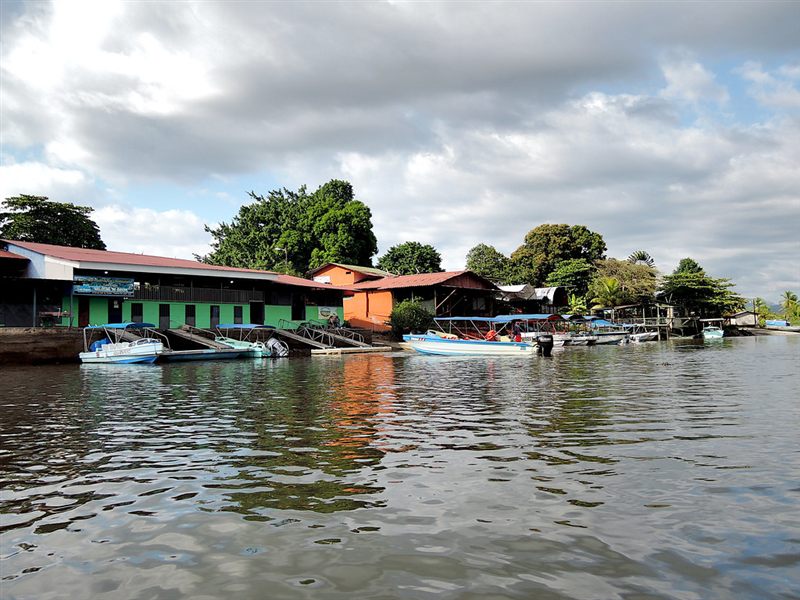
Choose El Paredón if you want to surf, learn to surf or meet other travellers: it is about two hours from Antigua and built around its beach break. Choose Monterrico if turtles and mangroves matter more than waves: it sits inside a protected reserve, draws Guatemalan weekenders and is about three hours away by shared shuttle.
How are El Paredón and Monterrico different?
On paper they are twins. Both are black-sand villages on Guatemala’s Pacific coast, south of Antigua. Both have warm water, a powerful ocean, mangrove channels behind the beach and a sunset that stops conversation every evening. The difference is who goes, and why.
El Paredón grew up around surfing. Most visitors are international travellers who come for lessons, a few days of waves and a hostel scene, and the village is small enough to cross on foot in a few minutes. Monterrico is, first of all, a beach town for Guatemalans. At weekends its hotels fill with families and groups from the capital; on weekdays it can feel almost empty. It is also the heart of the Biotopo Monterrico-Hawaii, a reserve that protects about 20 km of nesting beach and the mangroves behind it.
El Paredón and Monterrico side by side
| What matters | El Paredón | Monterrico |
|---|---|---|
| From Antigua | About 2 hours by direct shuttle | 2.5 to 3 hours by shared shuttle |
| Shared shuttle (2026) | $25 one way, $45 round trip with us | Around $25 to $35 one way, depending on the operator |
| Waves | Beach break with schools and rentals: the reason people come | Heavy shore break, better for watching than learning |
| Swimming | Calm days only, near other people | Calm days only: strong surf and rip currents |
| Turtles | Village hatcheries, releases in season | CECON hatchery in the reserve, releases mostly September to November |
| Mangroves | Sipacate-Naranjo National Park, behind the village | Canals of the Monterrico-Hawaii reserve |
| Who you meet | Surfers and backpackers from abroad | Guatemalan families and weekenders, plus some travellers |
| Busiest | December to April, and holiday weekends | Every weekend, and Semana Santa |
Which is better for surfing?
El Paredón, without much debate. Its wave is a beach break that peaks at several points along a long stretch of sand, rideable on anything from knee-high to well overhead depending on the swell, and the village has the infrastructure that goes with it: surf schools, board rentals and a lineup full of people at roughly your level. In 2026, the schools that publish their prices charge around Q200 (about $26) for a one-hour private lesson with the board included, and around Q150 a day to rent a board.
Monterrico’s waves break hard and close to the sand. Surf forecasters describe them mostly as close-outs, better suited to bodyboards than to a first lesson, and the steep beach adds a strong backwash. If surfing is part of the plan, the choice is made. Our El Paredón surf guide explains what the wave does through the year.
Which is better for turtles and wildlife?
Monterrico has the edge, because the reserve was set up for exactly this. Olive ridley and green turtles nest on its beach from about July to December, and leatherbacks from mid-October to late December. Local egg collectors hand part of each clutch to the hatchery run by CECON, the conservation centre of the University of San Carlos, and the hatchlings are released at dusk, mostly between September and November. The neighbouring beach of Hawaii has a second, quieter hatchery. Behind the sand, boats take visitors through the reserve’s canals, ideally at dawn when the birds are out; expect to pay from around Q100 per person.
El Paredón is not far behind. Local hatcheries protect nests along its beach too and release hatchlings at dusk in season, and the Sipacate-Naranjo National Park, protected since 1969, spreads out behind the village in a maze of mangrove channels. The difference is scale: in Monterrico the turtles are the main event, in El Paredón they are one more reason to stay an extra night. Either way, watch the hatchlings without touching them and keep your camera flash off. More ideas in what to do in El Paredón.
Which is easier to reach from Antigua?
El Paredón. Our shared shuttle leaves central Antigua every day at 09:00 and 14:00, makes one comfort stop and drops you at Super 24, in the centre of the village, about two hours later. A seat costs $25 one way or $45 for the round trip, booked online and confirmed straight away. The Antigua to El Paredón shuttle page lists the four pick-up points.
Shared shuttles to Monterrico leave Antigua in the morning and take two and a half to three hours down through Escuintla. By public transport, it is a bus to Escuintla, another towards Taxisco and La Avellana, then a short boat across the mangrove canal, about 15 minutes for Q5 to Q10. That route takes most of a morning, and the last boat back from Monterrico leaves around 17:00.
Which suits a family, a couple or a quiet weekend?
For families who will not surf, Monterrico has more conventional beach hotels built for Guatemalan families, and the turtle releases are a strong draw for children. El Paredón is mostly hostels, surf lodges and small hotels, sociable without being a party town, and the village goes to bed early. Couples after quiet do well in either place on weekdays. At weekends, Monterrico is the louder of the two.
One warning applies to both: neither beach is safe for casual swimming when the swell is up, and there are no lifeguards to count on. Children should paddle only on calm days, at the water’s edge. Our El Paredón practical guide covers currents, sun and hot sand in more detail.
Cash, signal and other practical differences
Both villages run on cash. Monterrico has a single ATM that is often out of order, and El Paredón’s machine, at Super 24, can run out of notes, so withdraw quetzales in Antigua before you leave and carry small bills. Mobile data works in both, though El Paredón has its dropouts, and Wi-Fi in small hotels is shared and slows down in the evening. Food is much the same on either beach: fresh fish, shrimp, ceviche and fried plantain, eaten a few steps from the sand.
Can you visit both on one trip?
Yes, if you have a week or more on the coast. Treat them as two separate stays rather than a day trip from one to the other: the villages are not neighbours, so arrange the transfer with your accommodation or a private driver and allow most of a day. A sensible pattern is three nights in El Paredón for the surf, then two in Monterrico during the release season. If you only have time for one, let the waves decide: surf points to El Paredón, turtles to Monterrico.
Our shuttle runs Antigua → El Paredón at 09:00 and 14:00, and El Paredón → Antigua at 09:00 and 15:00, every day of the week: $25 one way, $45 round trip per person. Book a seat and it is confirmed immediately.
Frequently asked questions
- Is El Paredón or Monterrico better for beginner surfers?
- El Paredón. It has surf schools, rental boards and a beach break that is gentle on small days, while Monterrico’s shore break is steep and powerful. In 2026 a one-hour private lesson in El Paredón costs around Q200 (about $26), board included.
- Can you swim at Monterrico and El Paredón?
- On calm days, carefully. Both are open Pacific beaches with strong surf and rip currents, and there are no lifeguards to count on. Swim near other people, stay in your depth and ask locally about conditions before going in.
- When are the turtle releases in Monterrico?
- Turtles nest from about July to December, and most hatchlings are released between September and November, usually at dusk. Exact dates depend on the nests, so ask at the hatchery once you are there.
- How long does it take to get from Antigua to Monterrico?
- About two and a half to three hours by shared shuttle, and longer by public bus with a boat across the canal at the end. El Paredón is about two hours from Antigua on our direct shuttle.
- Which is quieter, El Paredón or Monterrico?
- Midweek, Monterrico can be very quiet; at weekends it fills with visitors from Guatemala City. El Paredón is busiest from December to April and on holiday weekends, but its evenings are low-key all year.